Independence
< Back to Exposições virtuais- Portugues Brasil
- |
- Français
- |
- English
See all exhibition objects
-
[Iconográfico] Drapeau et pavillon bresiliens. Pa…
-
[Iconográfico] SALATHÉ, Friedrich. Panorama do …
-
[Iconográfico] Notice historique et explicative d…
-
[Iconográfico] Éventail-programme Souvenir de la…
-
[Iconográfico] Gaston d'Orléans, comte d'Eu [Por…
-
[Iconográfico] Françoise de Bragance, princesse …
-
[Iconográfico] François d'Orléans
-
[Manuscrito] Tratado
-
[Manuscrito] Tratado
-
[Manuscrito] Tratado
-
[Iconográfico] Capa do Tratado




Independence
The French in the independence of Brazil
Many French nationals contributed, directly or indirectly, to Brazil’s independence. Among the most renowned was the painter Jean-Baptiste Debret, who arrived in 1816 with the “French Artistic Mission” and became the principal creator of the aesthetics, symbols, and iconography of the young empire. A former French officer, Pierre Labatut, went on to serve Dom Pedro I and fought battles against the Portuguese in Bahia. Others, through their contact networks in France, devoted themselves to advocating for the cause of Brazilian independence to European governments.
The fact is that the acclamation of Dom Pedro I as “perpetual defender of Brazil and emperor” posed a thorny issue for France, ruled by Charles X, brother of Louis XVI (guillotined in 1793). The European monarchies united under a “Holy Alliance” to prevent a resurgence of revolutionary ideals. They regarded the American independence movements as impious rebellions against sovereigns appointed by God. The events in Brazil were judged even more harshly, for in that kingdom, a son had usurped the crown from his father, Dom João VI.
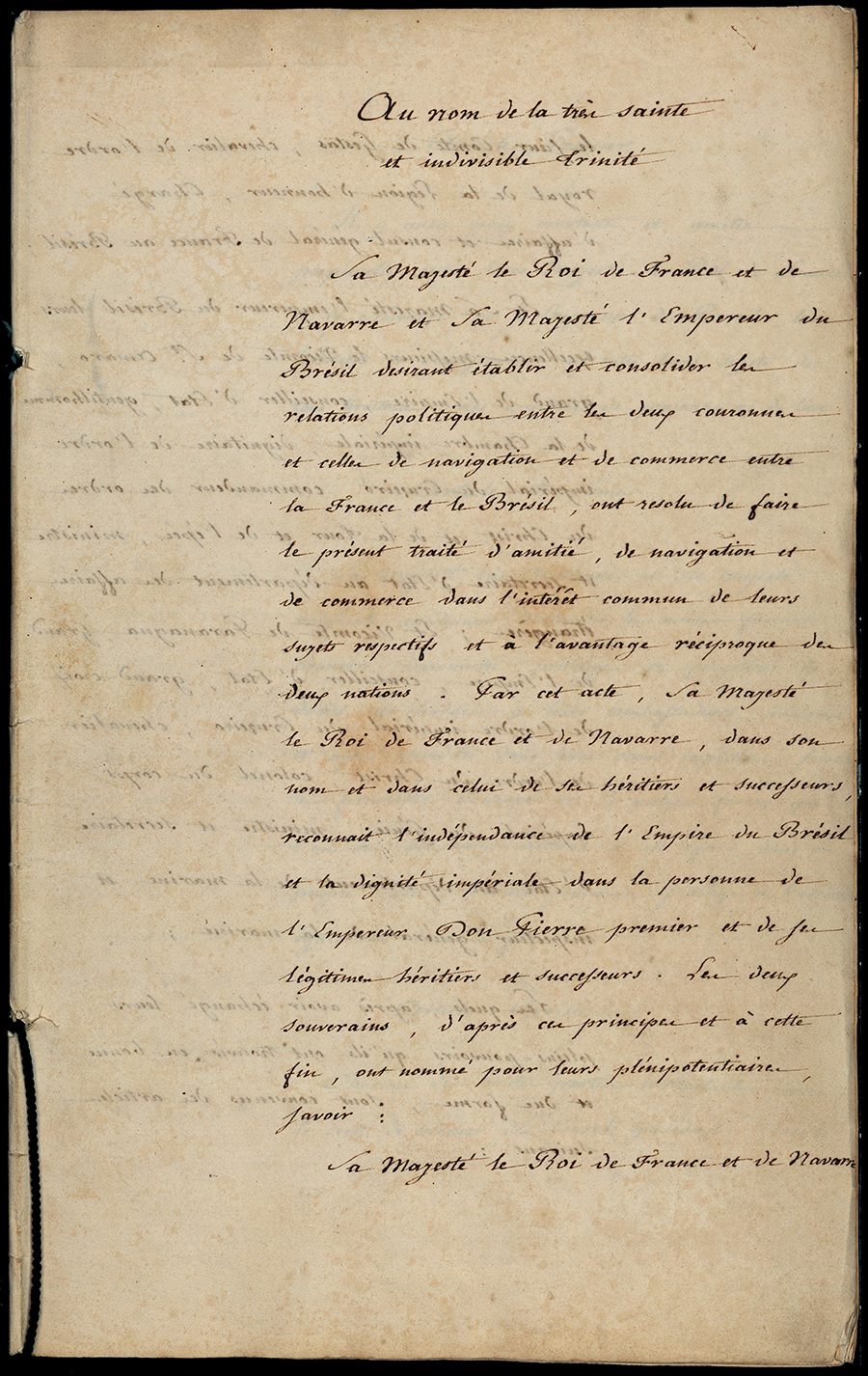
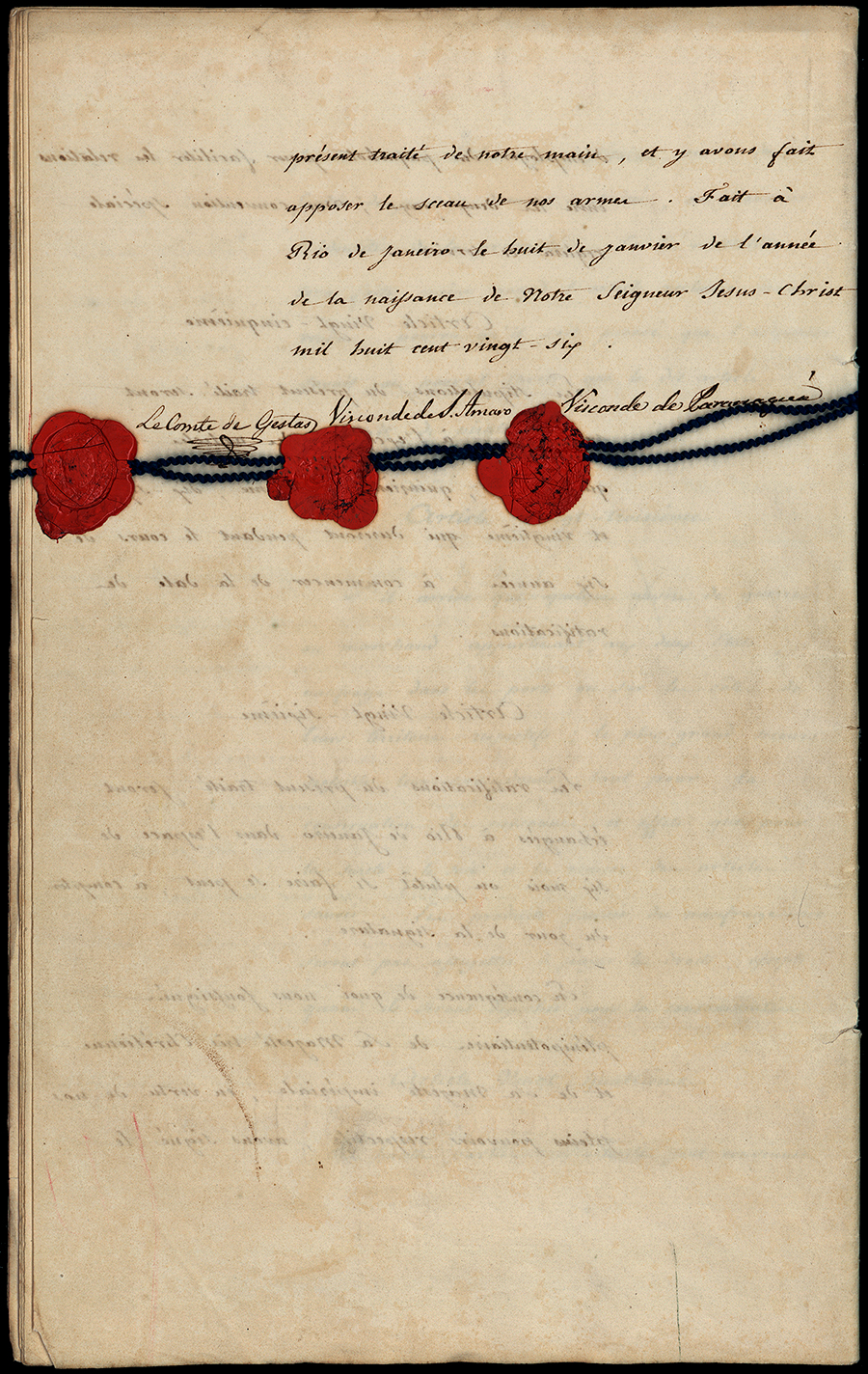
England and France, however, deemed that the emancipation of Portuguese America was inevitable. Above all, they wished to replace Portugal’s influence and trade with their own, but to achieve this it was imperative that Dom João VI officially recognize the independence of the new state and the crown of his son. That was accomplished with the signing of the treaty in Rio de Janeiro on August 29, 1825. The France of Charles X, who had recognized Haiti’s independence in April 1825 in exchange for a substantial indemnity that left the country deep in debt, sought a treaty with Brazil as advantageous as the one enjoyed by England and, from October 1825, to progressively normalize diplomatic relations between the two governments. The Treaty of Friendship, Commerce, and Navigation between France and Brazil was signed on January 8, 1826.
1) The Panorama of Rio de Janeiro Exhibited in Paris in 1824
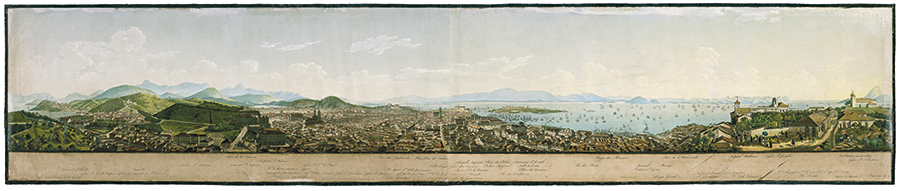
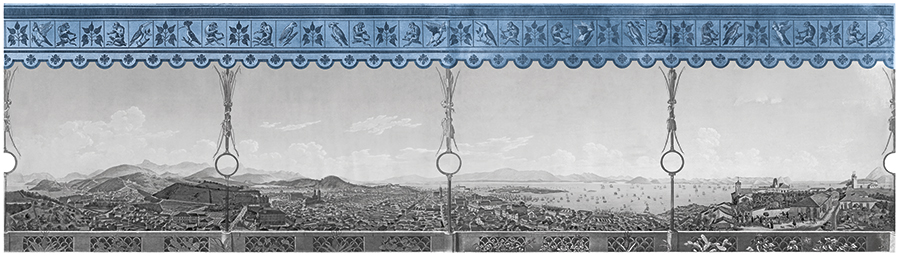
The “panorama” is a device combining a rotunda-shaped building with a 360° view, painted using a specific technique. A spectacular and lucrative attraction, it gives visitors the illusion of being immersed in a real landscape. In 1824, the panorama of Rio de Janeiro, created by the master of the genre, Guillaume Romny, was exhibited in Paris at the initiative of the Taunay family, who had arrived in Brazil with the “Artistic Mission” of 1816. Nicolas Taunay is said to have conceived the idea, Félix Taunay provided the preparatory drawings and paintings, painted from Castle Hill, and Hippolyte Taunay, together with another friend from Brazil, Ferdinand Denis, composed a long explanatory note.
The panorama of Rio de Janeiro conveys to the Parisian public a serene image of the Brazilian monarchy, suggesting a distance from the turbulence of the republics of Hispanic America. The panorama forms part of an entire propaganda campaign presenting Brazil as a bulwark against revolutions and promising it a bright future. This is evidenced by a quotation from a pamphlet intended to accelerate recognition of Brazil’s independence:
"Let those who still doubt the high destiny of this empire admire the location and appearance of its capital, represented in Paris with such veracity and such perfect illusion; let them pause there amid the crowd of curious onlookers who leave this admirable spectacle only to exclaim: Behold a place worthy of the metropolis of the Universe!"
A independência do Império do Brasil apresentada aos monarcas europeus, por M. Alphonse de Beauchamp, “historiador do Brasil”, Paris, Delaunay, 1824.
Pierre Labatut (Cannes, 1796 - Bahia, 1849). The biography of Pierre Labatut is shrouded in mystery, particularly regarding his formative years, and is rife with controversy. After participating in the wars of the Revolution and the Napoleonic Empire, he moved to the Americas and joined Simón Bolívar’s armed forces before putting his military talents at the service of Brazil’s independence. He achieved victories in Bahia against the Portuguese army and took part in several campaigns, yet his reputation for brutality, his exactions, and perhaps his republican convictions led to him being dishonored and imprisoned on several occasions.
Dynastic ties
The Brazilian imperial family established marital ties with the children and grandchildren of Louis-Philippe, Duke of Orléans, later King of the French (and not “King of France”) following the Revolution of 1830, and deposed by the Revolution of 1848. One of the king’s sons, François d’Orléans (1818-1900), Prince of Joinville, married in 1843, in Rio de Janeiro, Dona Francisca de Bragança (1824-1898), sister of Dom Pedro II. Princess Isabel (1846-1921) married a grandson of King Louis-Philippe: Gaston d’Orléans, Count of Eu (1842-1922).
A Perpetual Friendship
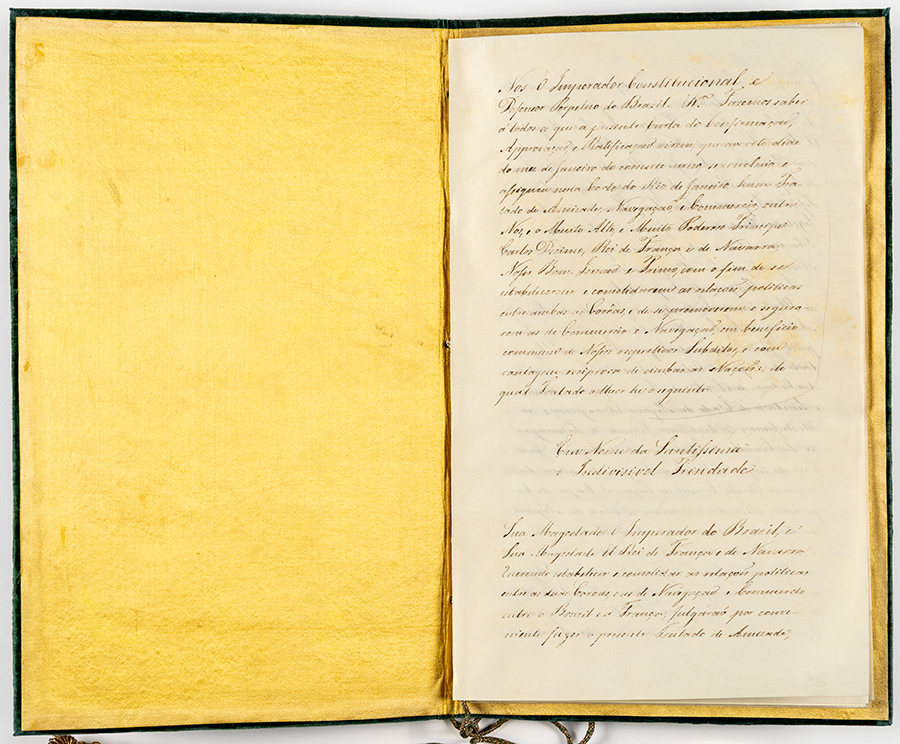
The Treaty of Friendship, Commerce, and Navigation of January 8th, 1826, signed “In the Name of the Most Holy and Indivisible Trinity,” between His Most Christian Majesty, the King of France and of Navarre, and His Majesty the Constitutional Emperor and Perpetual Defender of Brazil.
article the first
“There shall be constant Peace, and perpetual friendship betwixt His Majesty the Emperor of Brazil and His Majesty the King of France and Navarre, their heirs and successors, and betwixt their subjects without exception of person or Place.”
Many French nationals contributed, directly or indirectly, to Brazil’s independence. Among the most renowned was the painter Jean-Baptiste Debret, who arrived in 1816 with the “French Artistic Mission” and became the principal creator of the aesthetics, symbols, and iconography of the young empire. A former French officer, Pierre Labatut, went on to serve Dom Pedro I and fought battles against the Portuguese in Bahia. Others, through their contact networks in France, devoted themselves to advocating for the cause of Brazilian independence to European governments.
The fact is that the acclamation of Dom Pedro I as “perpetual defender of Brazil and emperor” posed a thorny issue for France, ruled by Charles X, brother of Louis XVI (guillotined in 1793). The European monarchies united under a “Holy Alliance” to prevent a resurgence of revolutionary ideals. They regarded the American independence movements as impious rebellions against sovereigns appointed by God. The events in Brazil were judged even more harshly, for in that kingdom, a son had usurped the crown from his father, Dom João VI.
England and France, however, deemed that the emancipation of Portuguese America was inevitable. Above all, they wished to replace Portugal’s influence and trade with their own, but to achieve this it was imperative that Dom João VI officially recognize the independence of the new state and the crown of his son. That was accomplished with the signing of the treaty in Rio de Janeiro on August 29, 1825. The France of Charles X, who had recognized Haiti’s independence in April 1825 in exchange for a substantial indemnity that left the country deep in debt, sought a treaty with Brazil as advantageous as the one enjoyed by England and, from October 1825, to progressively normalize diplomatic relations between the two governments. The Treaty of Friendship, Commerce, and Navigation between France and Brazil was signed on January 8, 1826.
1) The Panorama of Rio de Janeiro Exhibited in Paris in 1824
The “panorama” is a device combining a rotunda-shaped building with a 360° view, painted using a specific technique. A spectacular and lucrative attraction, it gives visitors the illusion of being immersed in a real landscape. In 1824, the panorama of Rio de Janeiro, created by the master of the genre, Guillaume Romny, was exhibited in Paris at the initiative of the Taunay family, who had arrived in Brazil with the “Artistic Mission” of 1816. Nicolas Taunay is said to have conceived the idea, Félix Taunay provided the preparatory drawings and paintings, painted from Castle Hill, and Hippolyte Taunay, together with another friend from Brazil, Ferdinand Denis, composed a long explanatory note.
The panorama of Rio de Janeiro conveys to the Parisian public a serene image of the Brazilian monarchy, suggesting a distance from the turbulence of the republics of Hispanic America. The panorama forms part of an entire propaganda campaign presenting Brazil as a bulwark against revolutions and promising it a bright future. This is evidenced by a quotation from a pamphlet intended to accelerate recognition of Brazil’s independence:
"Let those who still doubt the high destiny of this empire admire the location and appearance of its capital, represented in Paris with such veracity and such perfect illusion; let them pause there amid the crowd of curious onlookers who leave this admirable spectacle only to exclaim: Behold a place worthy of the metropolis of the Universe!"
A independência do Império do Brasil apresentada aos monarcas europeus, por M. Alphonse de Beauchamp, “historiador do Brasil”, Paris, Delaunay, 1824.
Pierre Labatut (Cannes, 1796 - Bahia, 1849). The biography of Pierre Labatut is shrouded in mystery, particularly regarding his formative years, and is rife with controversy. After participating in the wars of the Revolution and the Napoleonic Empire, he moved to the Americas and joined Simón Bolívar’s armed forces before putting his military talents at the service of Brazil’s independence. He achieved victories in Bahia against the Portuguese army and took part in several campaigns, yet his reputation for brutality, his exactions, and perhaps his republican convictions led to him being dishonored and imprisoned on several occasions.
Dynastic ties
The Brazilian imperial family established marital ties with the children and grandchildren of Louis-Philippe, Duke of Orléans, later King of the French (and not “King of France”) following the Revolution of 1830, and deposed by the Revolution of 1848. One of the king’s sons, François d’Orléans (1818-1900), Prince of Joinville, married in 1843, in Rio de Janeiro, Dona Francisca de Bragança (1824-1898), sister of Dom Pedro II. Princess Isabel (1846-1921) married a grandson of King Louis-Philippe: Gaston d’Orléans, Count of Eu (1842-1922).
A Perpetual Friendship
The Treaty of Friendship, Commerce, and Navigation of January 8th, 1826, signed “In the Name of the Most Holy and Indivisible Trinity,” between His Most Christian Majesty, the King of France and of Navarre, and His Majesty the Constitutional Emperor and Perpetual Defender of Brazil.
article the first
“There shall be constant Peace, and perpetual friendship betwixt His Majesty the Emperor of Brazil and His Majesty the King of France and Navarre, their heirs and successors, and betwixt their subjects without exception of person or Place.”