JAMES JOYCE
< Back to Exposições virtuais- Portugues Brasil
- |
- English
See all exhibition objects
-
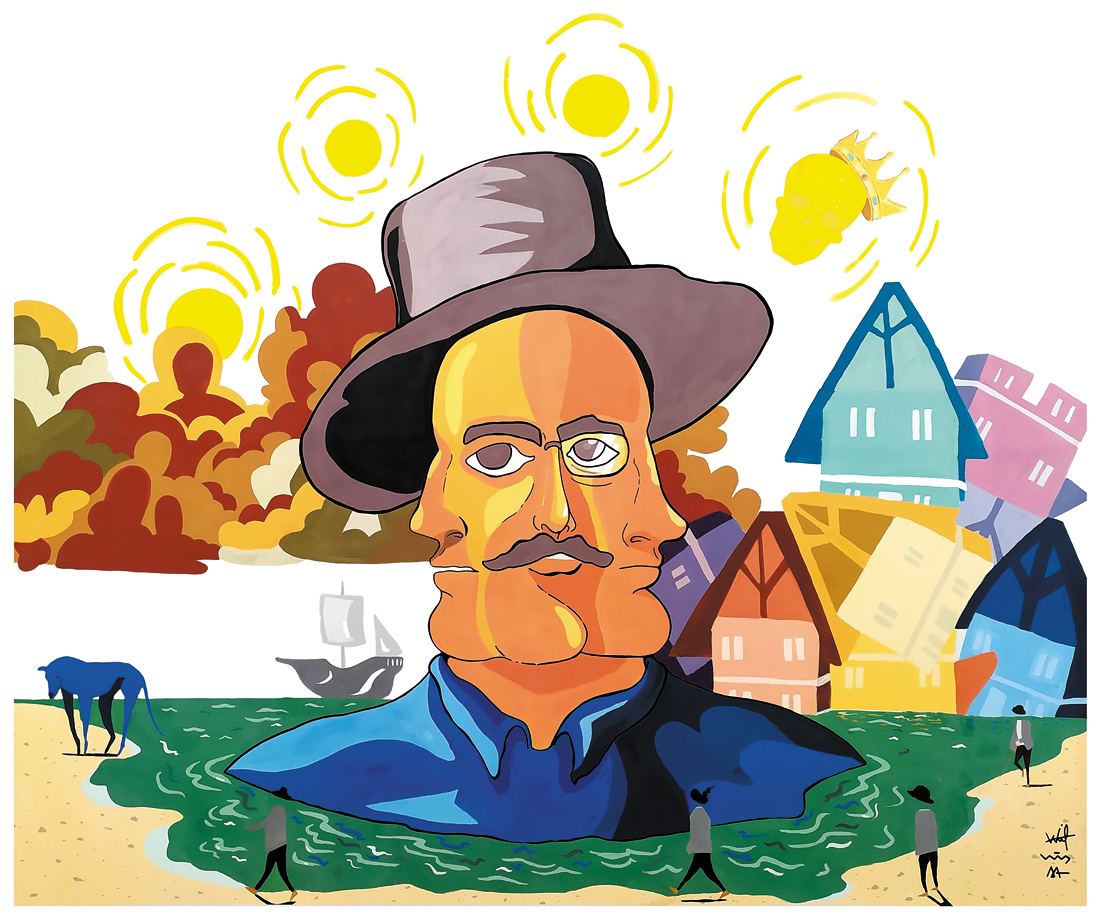
[Iconográfico] Mural do capítulo 3 de Ulysses (P…
-
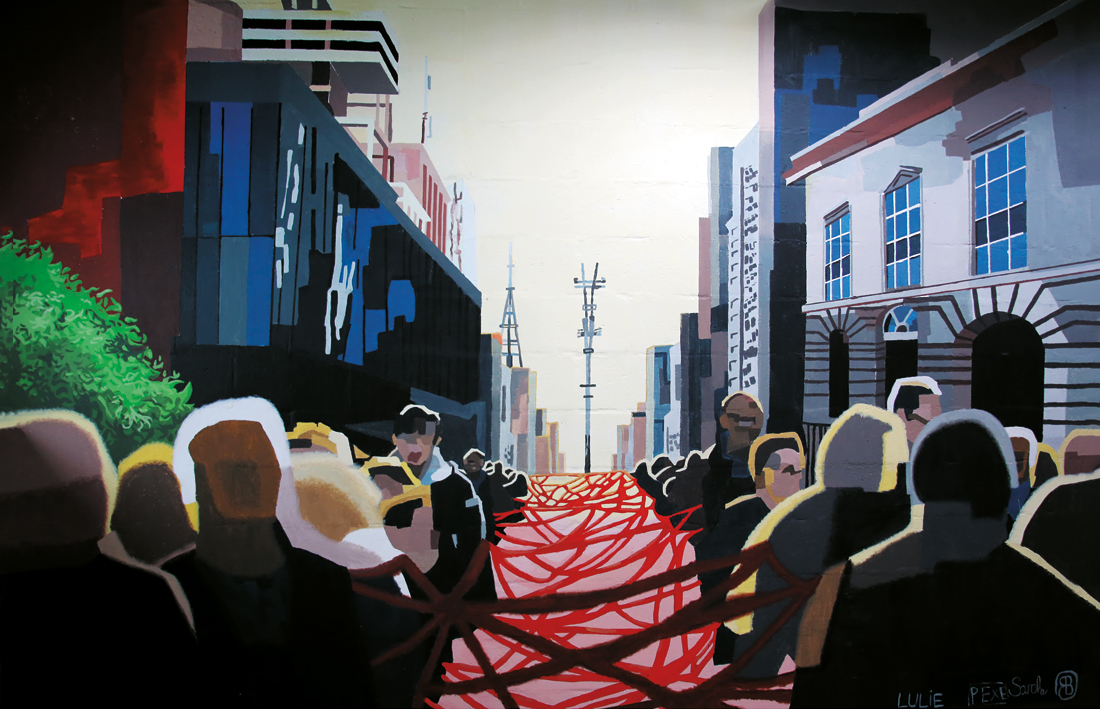
[Iconográfico] Mural do capítulo 5 de Ulysses (L…
-
[Iconográfico] Mural do capítulo 10 de Ulysses (…
-
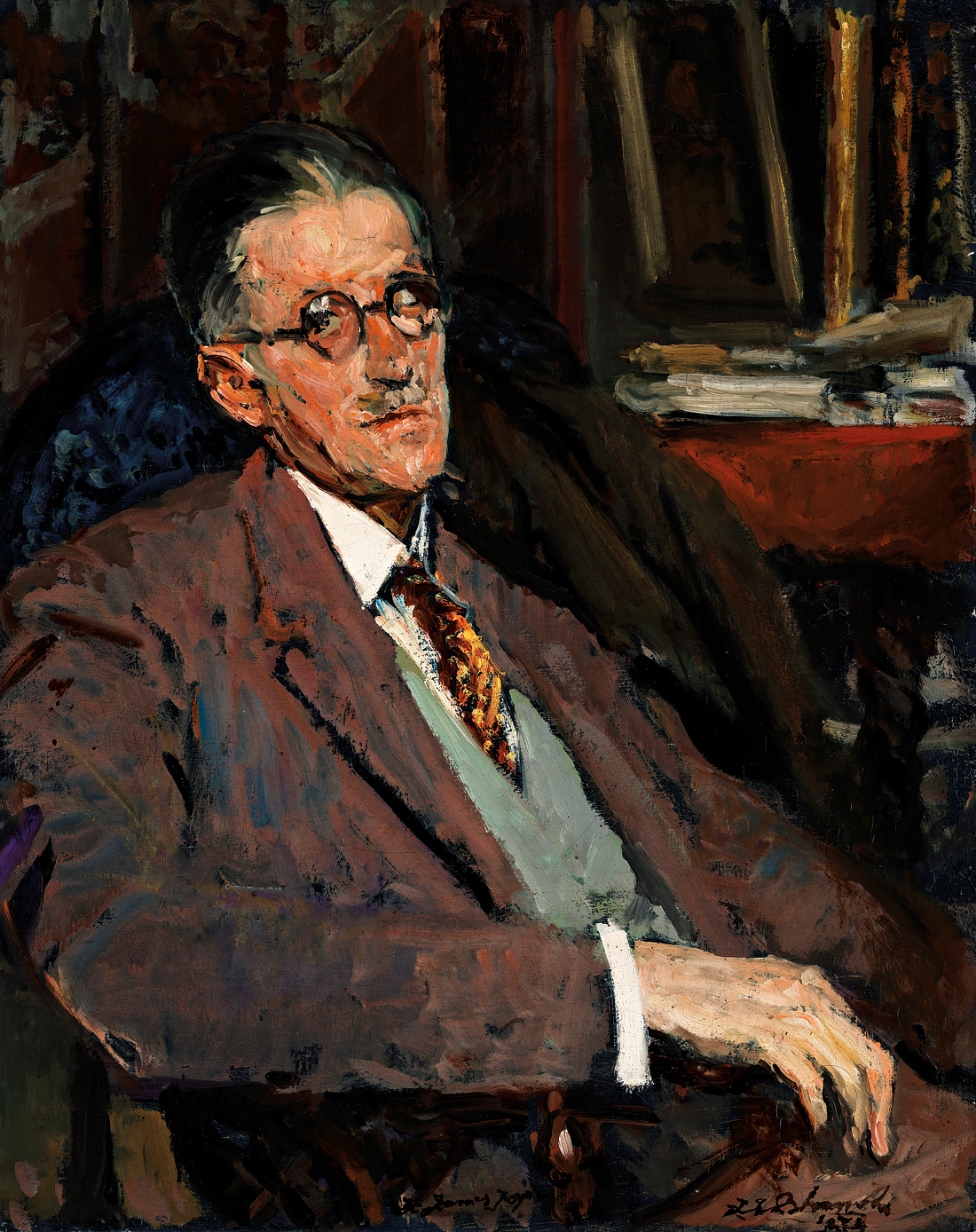
[Iconográfico] Retrato de James Joyce, por Jacque…
-
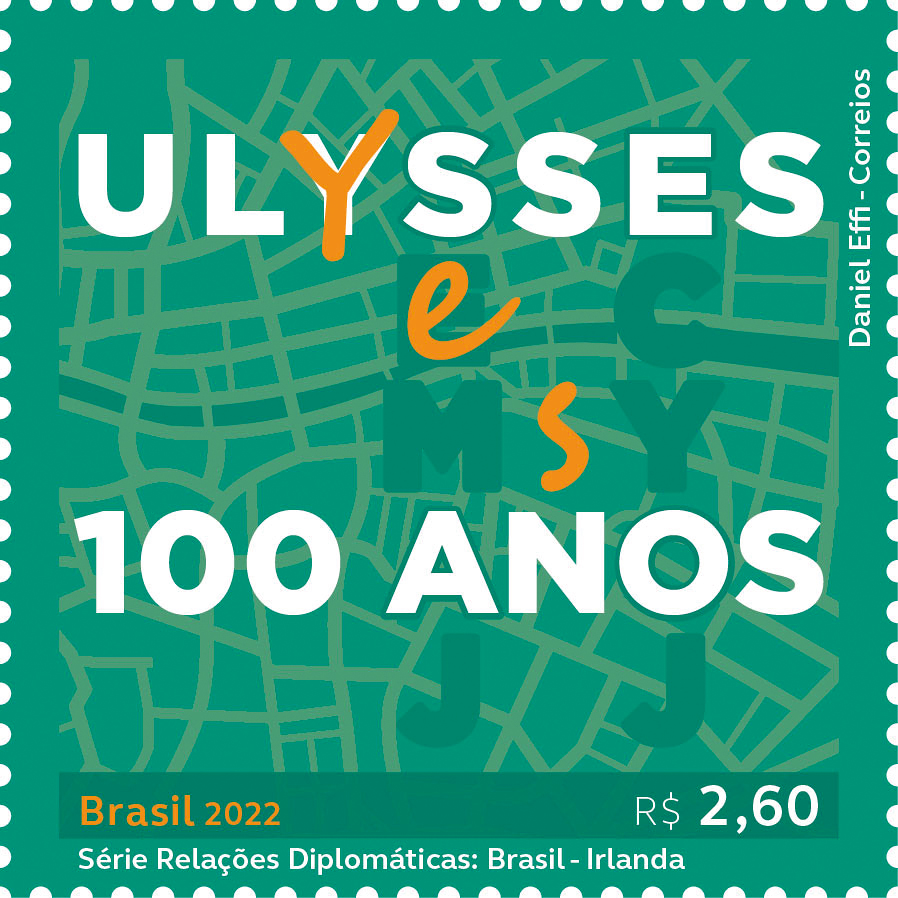
[Iconográfico] Selo Ulysses, lançado pelos Corre…
-
[Iconográfico] Bete Coelho, como Molly Bloom, e R…

JAMES JOYCE
James Joyce’s (1882-1941) Ulysses is quite possibly the greatest of all novels. Full stop.
Since its publication in 1922, the book has fascinated and bewildered readers and critics alike with its radical approach to the daily lives of Dubliners. His linguistic and formal inventiveness, as well as his unshakable optimism in the face of the ills of a financially disadvantaged society, and also in the face of all the hardships and unpleasantness of the human condition, seem to have spoken very closely to the hearts of Brazilians.
Today, for example, Portuguese is the language that has the most translations of Joyce’s novel. Only Brazil has four different versions already, three already published and one more on the way. Among Joyceans, there is also constant activity to celebrate “Bloomsday”, which takes place around the world on 16 June each year. Music, memory, joy and thanks are central to these events, which have been taking place for decades in São Paulo, Rio Grande do Sul and, over time, in many other states.
Joyce’s other books have also been translated and retranslated in Brazil. His poetry, his play (Exiles, 1918), his short stories (Dubliners, 1914), his first novel (A Portrait of the Artist as A Young Man, 1916) – and even posthumous works, such as the fragment of the manuscript of the first version of the Portrait (Stephen Hero, 1944), letters and essays. Even his last work, Finnegans Wake (1939), a novel that many consider illegible, has already been translated twice in Brazil, with two more translation processes in progress.
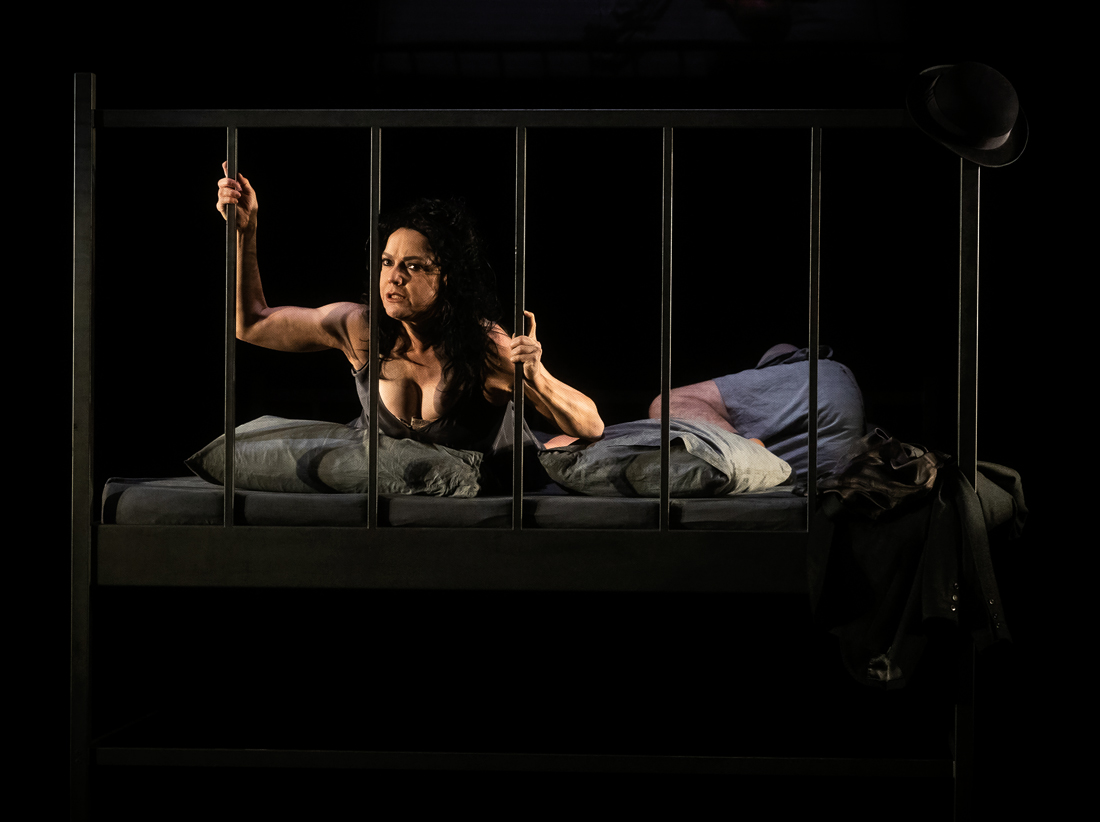
Joyce, who includes references to Rio de Janeiro in Ulysses and Finnegans Wake, and who recently took our stages by storm with Bete Coelho’s fantastic Molly Bloom, would certainly like to see himself recognized, so many years later, as an honorary citizen of our “carnivalised” republic of letters.
Prof. Dr. Caetano Galindo
Federal University of Paraná
_____________________________________________________________
Image captions:
Image 1/6: Mural from chapter 3 of Ulisses (Proteus), by William Lacerda Reis Galdino and Luís Arthur Santos, students at the Federal Rural University of Rio de Janeiro. 18 murals - one for each chapter of the book - were chosen from 200 submissions from universities as part of the centenary in 2022 of the publication of Ulisses by James Joyce in a contest organised by the Embassy of Ireland. Photo: Curso de Belas Artes, UFRRJ.
Image 2/6: Mural from chapter 5 of Ulysses (Lotóphages), by Brenda Klein, a student at the Federal University of Rio Grande do Sul. Photo: Rochele Boscaini Zandavalli.
Image 3/6: Mural from chapter 10 of Ulysses (Wandering Rocks), by Beatriz Denoni Pereira, a student at the Universidade Estadual Paulista, São José do Rio Preto. Photo: Roberto Rodrigues.
Image 4/6: Portrait of James Joyce, by Jacques-Emile Blanche, oil on canvas, 1935. Credit: National Gallery of Ireland Collection.
Image 5/6: Ulisses stamp, launched by the Brazilian postal service in June 2022 to celebrate the centenary of Ulisses. Design: Daniel Effi - Correios. Credit: Collection of the National Library Foundation, Brazil.
Image 6/6: Bete Coelho, as Molly Bloom; and Robert Audio, as Leopold Bloom; in Molly Bloom, adap. Caetano Galindo, dir. Daniela Thomas and Bete Coelho, Sesc Avenida Paulista (2022). Photo: Matheus José Maria / Sesc São Paulo.